 Liam ScottVIEW PROFILE →
The AI laptop arrives for real: how Copilot+ PCs and on-device AI are reshaping what to buy in 2026
The biggest shift in laptops this year is not a faster chip or a thinner chassis , it is the neural engine inside. Here is what on-device AI actually changes, and what it means for anyone buying a new machine in 2026.
For most of the last decade, buying a laptop came down to a familiar checklist: how fast the processor was, how much memory it had, how long the battery lasted and how much it weighed. In 2026, a new line has quietly been added to that list, and it may be the most consequential of all — how much artificial intelligence the machine can run entirely on its own, without ever touching the cloud.
The category now has a name that appears on shop shelves and spec sheets alike: the AI laptop, and in the Windows world specifically, the Copilot+ PC. Behind the marketing sits a genuine hardware change, and understanding it is the difference between paying a premium for a buzzword and buying a machine that will still feel modern in three years.
The chip nobody used to talk about
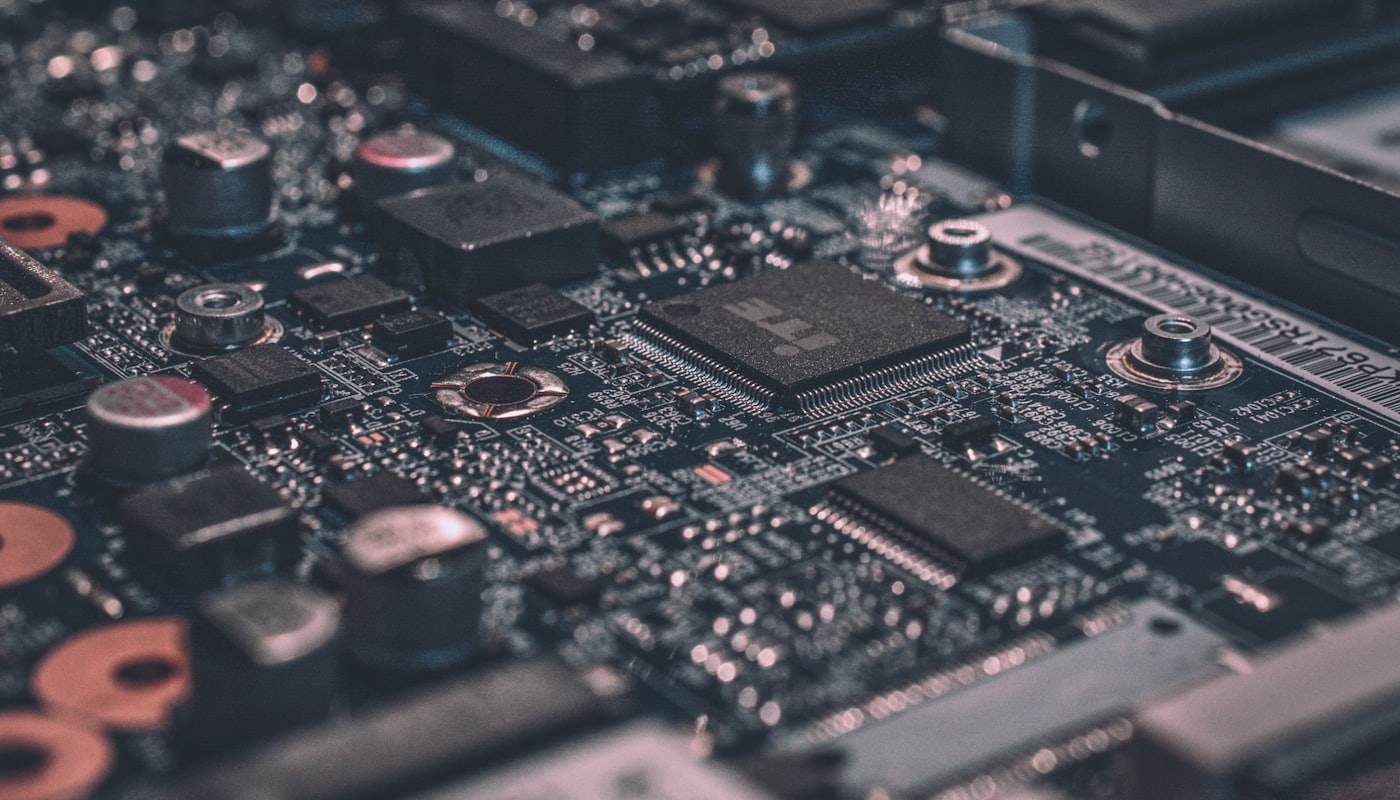
The engine of this shift is a component that existed for years but rarely made headlines: the NPU, or neural processing unit. Where the CPU handles general tasks and the GPU handles graphics, the NPU is a specialist built to run AI models efficiently, using a fraction of the power the other two would burn doing the same work.
That efficiency is the whole point. Running an AI model on a traditional processor drains the battery and heats the machine; running it on a dedicated NPU lets a laptop perform continuous AI tasks — live captioning, translation, image cleanup — while barely denting its runtime. This is why a modern laptop's AI capability is now measured in TOPS, or trillions of operations per second, a number you will increasingly see quoted right next to the clock speed.
What the NPU actually buys you
The practical benefits fall into two buckets. The first is a set of features that simply work better when they run locally: real-time translation of a video call, instant background blur and eye-contact correction, generative editing that removes an object from a photo, and smarter search that understands what is inside your files rather than just their names.
The second, and arguably more important, benefit is privacy and independence. When an AI feature runs on the device, your data does not leave it. There is no monthly subscription, no server round-trip, and no internet connection required. For anyone who works on sensitive material — or simply resents paying a recurring fee for every AI tool — that is a meaningful shift in who controls the technology.
A three-way race under the lid
The competition driving this is fierce and, unusually, genuinely three-sided. Qualcomm's Arm-based Snapdragon X chips reset expectations for battery life and NPU power in Windows laptops, forcing a response. Intel and AMD have answered with their own AI-focused silicon, folding far more capable neural engines into mainstream processors so that the feature is no longer confined to premium models.
Apple, meanwhile, has taken its own route, building neural capability into every M-series chip and wiring on-device intelligence directly into the operating system. The result for buyers is that across Windows and Mac alike, the AI laptop is rapidly becoming the default rather than the exception — which changes how you should shop for one.
How to buy in 2026
The first rule is not to overpay for AI you will never use. If your work is email, documents and browsing, a mid-range machine with a competent NPU will cover every AI feature you are likely to touch, and the money is better spent on a brighter screen or more storage. The neural engine matters, but it is not worth a flagship price on its own.
The second rule is to treat the NPU as future-proofing rather than a gimmick. On-device AI features are arriving faster than most buyers realise, and a laptop with a capable neural engine will keep gaining abilities through software updates long after purchase, in a way that a machine without one simply cannot. In that sense, the TOPS figure is less about what the laptop does today and more about what it will still be able to do in 2028.
The AI laptop, in other words, is no longer a niche curiosity or a marketing sticker. It is the new baseline — and for the first time in years, the most interesting question when buying a computer is not how fast it runs, but how much it can think for itself, right there on your desk, with the Wi-Fi switched off.