 Liam ScottVIEW PROFILE →
Smart glasses just went mainstream: how the face became tech’s next battleground
Smart glasses have quietly crossed from gimmick to genuine gadget, with sales exploding and every tech giant piling in. From London, I look at the numbers behind the boom, who is winning, and what strapping a camera and an AI to your face really means.
For years smart glasses were the gadget everyone loved to mock, a solution in search of a problem that made early wearers look faintly ridiculous, but in 2026 that story has quietly and decisively flipped, and the face has become one of the hottest battlegrounds in all of consumer technology.
Writing from London, where I spend my days watching the gadgets and giants that rewire daily life, I have rarely seen a category turn a corner this fast, because what was a niche curiosity just two years ago is now a genuine mainstream eyewear conversation happening in ordinary opticians.
From punchline to phenomenon
The turning point came when Meta released its second generation Ray-Ban glasses in late 2025, a moment that industry watchers say lifted smart glasses out of gadget-blog obscurity, and the sales figures since then have been nothing short of staggering for a product many had written off entirely.
Consider that smart glasses without displays surged one hundred and sixty seven percent in units year over year in the first quarter of 2026 alone, a growth rate that most hardware categories can only dream of, and a clear signal that ordinary buyers, not just gadget obsessives, are finally reaching for them.
Meta sits right at the centre of this boom, having sold an estimated six and a half million Ray-Ban units in 2025, and in a genuinely historic twist its smart glasses revenue of around two point one five billion dollars overtook the money brought in by its Quest headsets for the very first time.
The giants pile in
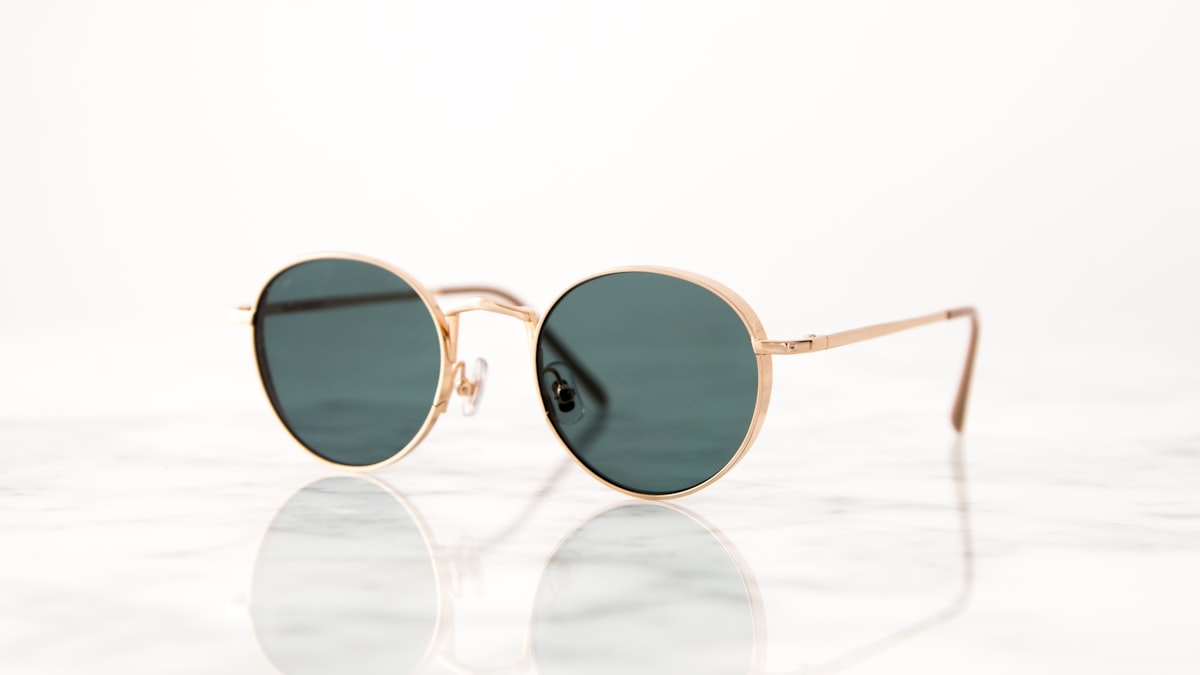
That success has turned the glasses into a strategic priority rather than a side project, and it shows, because Meta held a commanding eighty two percent share of shipments in the second half of 2025, a level of dominance that inevitably draws every rival in the industry straight toward the same prize.
The company is already pressing its advantage, having launched three new AI glasses called Adventurer, Fury and a Kylie branded pair from two hundred and ninety nine dollars in June 2026, matching the specs of its premium Gen 2 model but costing eighty dollars less and carrying Meta’s own brand for the first time.
The competition is not standing still either, as Google and Samsung are entering the fray with Gemini powered Android XR glasses due in the autumn of 2026, developed in partnership with the eyewear names Warby Parker and Gentle Monster, a sign that fashion credibility now matters as much as raw technology.
What it means to wear a computer
The scale of what is coming is easy to underestimate, but one forecast expects revenue from AI smart glasses to quadruple during 2026, leaping from around one point two billion dollars to five point six billion, with units climbing from roughly six million to twenty million in a single year.
Yet I would be doing my job badly if I only cheered, because strapping a camera and an always listening assistant to your face raises real questions about privacy, and there has already been a visible backlash, with some venues and countries moving to restrict or ban recording through these devices.
My honest take is that smart glasses have finally earned their place in the gadget mainstream, and that is genuinely exciting, but the next battle will not be about megapixels or battery life, it will be about trust, and whether we are comfortable living in a world where anyone we meet might quietly be wearing a computer.