 Liam ScottVIEW PROFILE →
India’s packed August of phone launches, and the home-grown Ai+ that could matter most
From the Pixel 11 to the Redmi Note 17, India just had one of its busiest months for phone launches. But the device I find most interesting is the home-grown Ai+, built on India’s first sovereign mobile operating system. Here is why it matters.
From London I write about the gadgets, the giants and the ideas quietly rewiring daily life, and this month my attention has been firmly on India. The country has just lived through one of its busiest stretches of phone launches in memory, but the device that fascinates me most is not the flashiest flagship, it is a quieter, home-grown effort that could end up mattering far more.
India is now one of the most important smartphone markets on the planet, so what launches there is a signal worth reading closely. When a market of this scale sees this many devices arrive in a single month, it tells you where the giants are placing their bets and, just as importantly, where a scrappy local challenger might slip through the gaps.
A blockbuster month of launches
The biggest noise, predictably, came from Google, whose Pixel 11 series landed in India and globally on the twelfth of August. It arrives with an upgraded Tensor chipset, sharper cameras and a new Pixel Glow LED, but the real emphasis this time is on deeper AI features, which is very much the direction the whole industry is now sprinting towards at full speed.
Google was far from alone, because Xiaomi brought its Redmi Note 17 series to India on the sixth, continuing a line that has long been a favourite among mid-range buyers. Poco added its M8 Power 5G on the fourth, aimed squarely at people who want big battery life and 5G without paying flagship prices, a segment that remains enormous across the country.
On top of those, brands including Vivo, Samsung and Infinix rolled out new models across every price band imaginable. The competition is so fierce that the real winner is the buyer, because every company is now forced to pack in better features and sharper pricing simply to win a share of attention in one of the noisiest markets on earth.
A phone, and an operating system, made in India
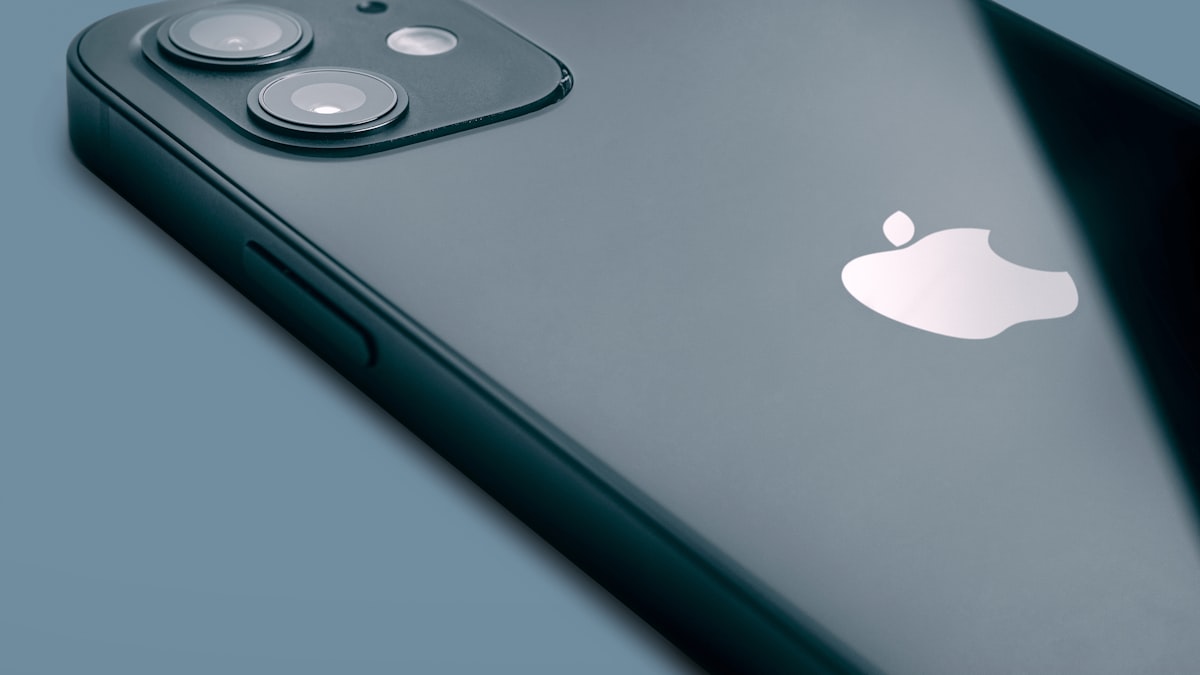
Amid all that noise, the launch that genuinely made me stop was the arrival of India's own Ai+ smartphone, which carries a much bigger idea than its spec sheet suggests. It is being billed as India's first fully home-authored phone, built and governed on Indian infrastructure, and designed to deliver strong performance while keeping user data firmly under local control.
What makes it special is its soul, an operating system called NxtQuantum OS, described as India's first sovereign mobile platform. Until now the entire world has essentially had two choices, Android or iOS, so a serious attempt to build a genuine third option is a bold and technically daunting step towards real digital independence rather than a marketing gimmick.
For me this is about far more than one more handset in a crowded market, because it reflects a country that no longer wants to be only a consumer of technology. When a nation controls the operating system its citizens rely on, it gains leverage over privacy, security and its own digital future, and that is a shift with consequences reaching well beyond phones.
My advice, and what I am watching
If you are buying a phone in a month like this, my advice is the same as ever, which is to work out what you truly need before the marketing sweeps you up. Decide whether it is the camera, the battery or raw performance that matters to you, then choose on substance rather than the loudest advert, because the best deal is rarely the one shouting hardest.
As for the Ai+ and its sovereign operating system, I will be watching closely to see whether it can survive the brutal reality of a market this competitive. Building an alternative platform is one thing, but persuading millions to trust and adopt it is quite another, and that story is only just beginning, which is exactly why I will keep reporting on it.