 Liam ScottVIEW PROFILE →
Arm Breaks Its Own Rules: The Cambridge Chip Giant Just Started Competing With Its Best Customers
After 35 years selling designs to everyone else, Britain's Arm has built its first chip of its own , and picked a fight with Nvidia, Apple and the entire industry it helped create.
For nearly four decades, Britain's most important technology company followed one unbreakable rule: it designed the blueprints for chips but never built the chips themselves. Arm sold its architecture to everyone, from Apple to Nvidia to Qualcomm, and stayed carefully neutral, the quiet arms dealer at the centre of the entire industry. In 2026, the Cambridge company tore that rule up.
The decision is one of the most consequential moves in the semiconductor world in years, and it turns a trusted supplier into a direct rival almost overnight. For a business built entirely on the trust of the companies it now intends to compete with, it is an extraordinary and genuinely risky gamble.
The chip that changes everything
On 24 March 2026, Arm unveiled the Arm AGI CPU, its first production-ready silicon product in 35 years of operation. It was not a modest experiment but a full-blown assault on the roughly 70-billion-dollar data centre processor market, the beating heart of the modern computing economy and, increasingly, of artificial intelligence.
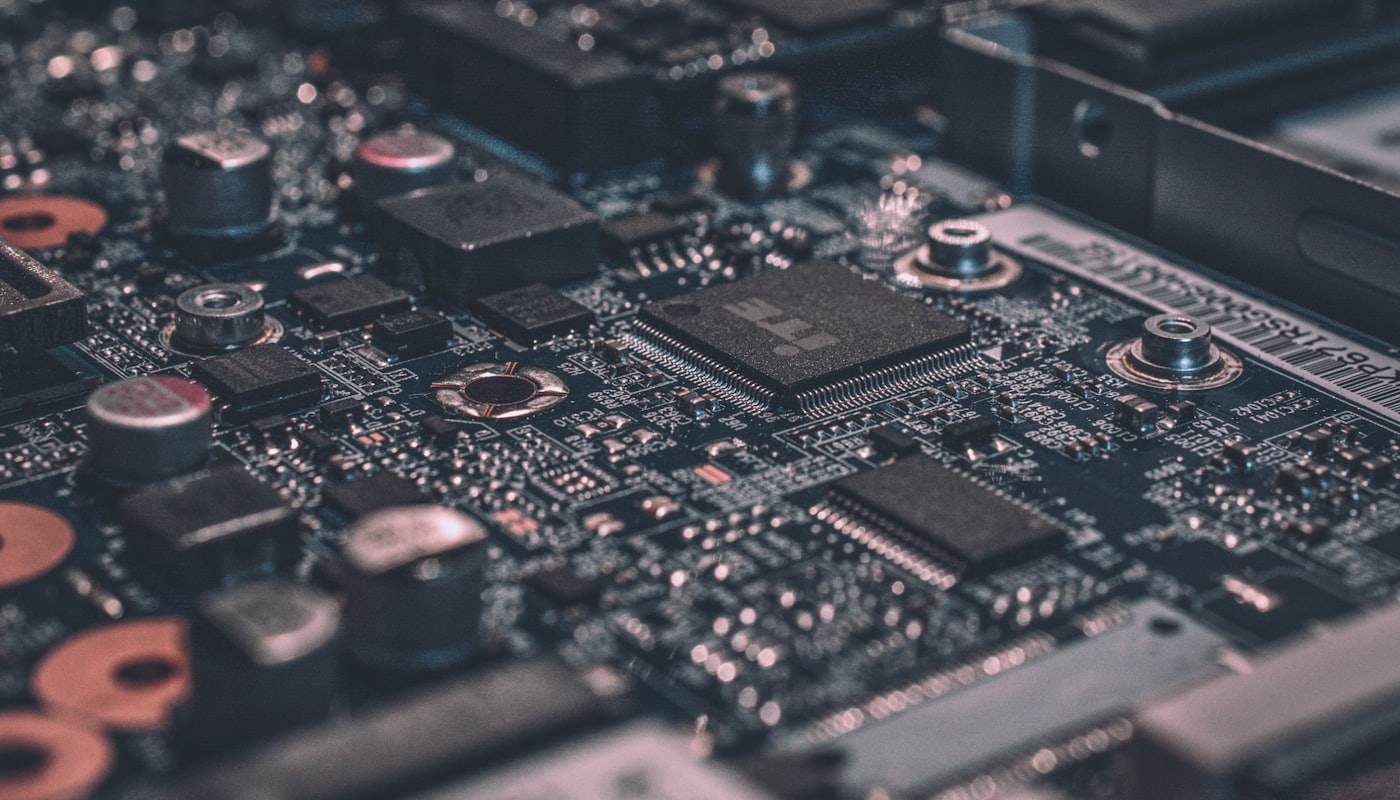
The specifications underline the ambition. The chip packs up to 136 of Arm's Neoverse V3 cores and is manufactured on TSMC's advanced 3-nanometre process, purpose-built for the unglamorous but explosively growing job of running AI inference, the moment-to-moment work of actually using trained models rather than training them.
That focus is deliberate and shrewd. Much of the attention in the AI boom has gone to the enormous chips used to train models, a market dominated by Nvidia. Arm is instead targeting inference and so-called agentic computing, the fast-scaling workloads that keep AI assistants and autonomous software running at massive volume once they are deployed.
The product is expected to reach full production availability in the second half of 2026, which means this is not a distant concept but an imminent commercial reality. Arm has effectively told the market that the era of it being merely a behind-the-scenes licensor is over.
Why Meta signing on matters so much
A new chip is only as credible as the companies willing to buy it, and here Arm delivered a statement of intent. Meta signed up as the debut customer for the Arm AGI CPU, and the chip was developed in partnership with the social media giant, giving Arm both a marquee name and a real-world proving ground from day one.
Nor is Meta alone. Arm has pointed to a roster of other committed customers that reads like a who's who of the digital economy, including OpenAI, the enterprise software group SAP and the internet infrastructure firm Cloudflare. That breadth suggests genuine demand rather than a single flattering endorsement.
The financial ambitions are equally bold. Chief executive Rene Haas has said the company expects the new chip line to generate something on the order of 15 billion dollars in annual revenue by 2031, a figure that would transform Arm from a licensing business into a hardware powerhouse. Investors have noticed, sending the shares up sharply over the year.
The danger of competing with your own customers
For all the excitement, the strategy carries a profound tension at its core. Arm's entire empire was built on being the neutral party whose designs everyone could license without fear. By shipping its own chip, it now competes with the very firms that pay it royalties, and some of them will inevitably wonder whose side their supplier is really on.
This is the classic dilemma of a platform that decides to become a product. The move could supercharge Arm's growth and let it capture far more value from the AI boom it helped enable. Or it could sour relationships with long-standing partners and push them to hedge their bets by investing in rival architectures.
There is also a national dimension that will resonate in Britain. Arm is one of the few UK technology companies with genuine global heft, and its bid to become a serious force in AI hardware is exactly the kind of homegrown ambition policymakers have long said they want to see. Its success or failure will be read as a barometer of British tech ambition itself.
What is certain is that the comfortable, neutral Arm of the past is gone. In choosing to build rather than merely design, the Cambridge company has bet its reputation on the conviction that the AI era rewards the bold. Whether that gamble pays off will be one of the defining technology stories of the next few years.






